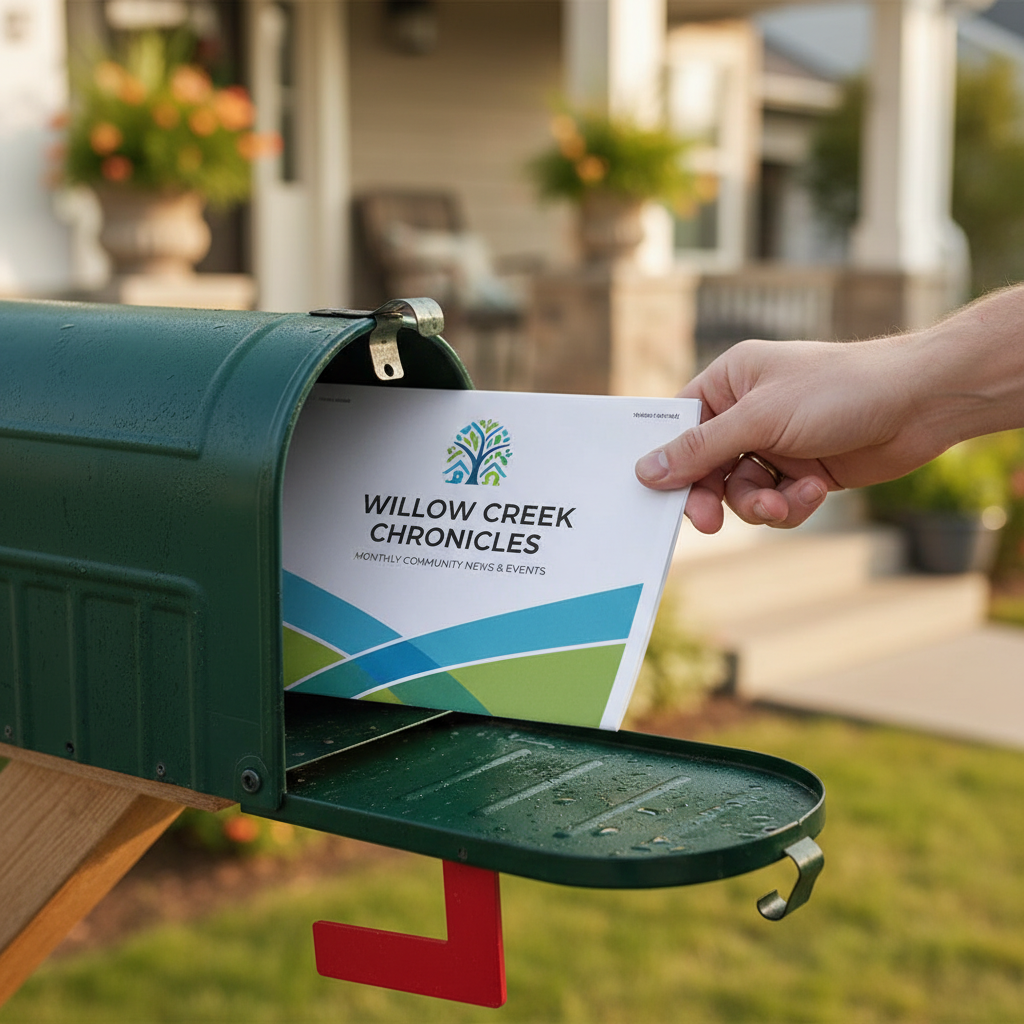
HOA Special Assessments: A California Board’s Playbook
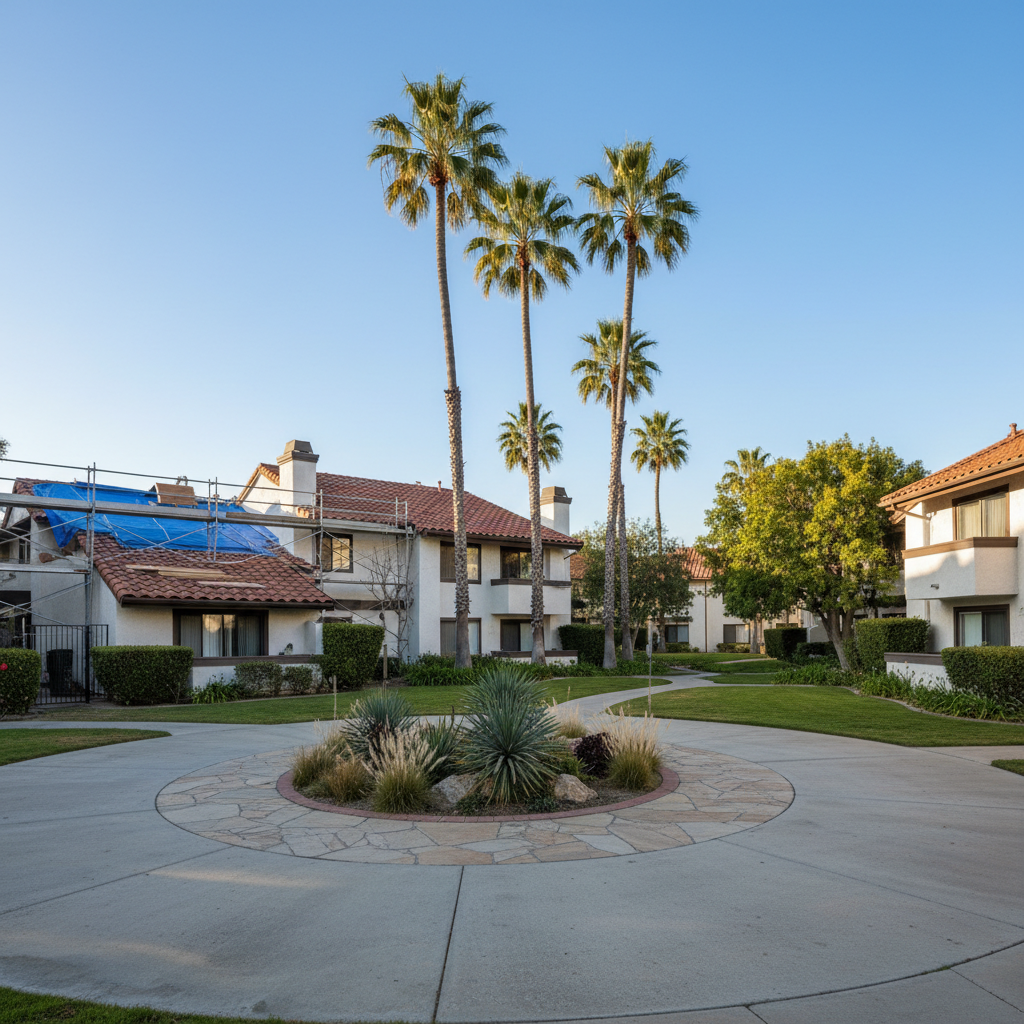
Special assessments expose boards to backlash and delinquencies. Here is how California HOA boards levy them legally, fairly, and only as a last resort.
How to Interview HOA Management Companies: A Board Playbook

A structured playbook for HOA boards interviewing management firms: scorecards, capability-testing questions, apples-to-apples fees, and red flags to watch.
Hidden Costs of Switching HOA Management Companies in CA
Switching HOA management companies in California costs $10K–$25K for mid-size associations. Learn the legal, financial, and operational costs boards must budget for.
5 Traits Every Effective HOA Board Director Has

Five practical traits that make HOA board directors effective: preparation, verification, knowledge of duties, engagement, and confidence under fire.
AB 1572 and Your HOA: Why Boards Should Act in 2026
AB 1572 requires California HOAs to remove decorative turf by 2029. Why your board should start the conversion process in 2026, not 2028.
HOA Insurance Costs: What Boards Need to Know in 2026
Why HOA insurance premiums stay high in 2026, the four levers boards use to lower them, and the tradeoffs to weigh before you change coverage.
California HOA Legislation: What Boards Should Watch

California HOA legislation is shifting fast: transfer fees, reserves, insurance, and manager licensing. What boards should track and do now.
The Importance of Clear Communication in Property Management

Strong communication is one of the key elements of successful property management. Residents appreciate timely updates about maintenance, community guidelines, and upcoming improvements.
Providing clear channels for residents to report concerns or request maintenance helps create a more organized and efficient community. When issues are addressed quickly, it builds trust and strengthens relationships between residents and property managers.
Property management teams that focus on transparency and communication often create a more positive living environment for everyone involved.
How Regular Inspections Protect Your Property

Routine property inspections are an important part of responsible property management. By checking the condition of the property regularly, potential problems can be identified before they become expensive repairs.
Inspections may include reviewing plumbing systems, electrical fixtures, roofing, and common areas. These checks help ensure that everything is functioning properly and remains safe for residents.
Regular inspections also allow property managers to maintain the overall quality of the property. A well-maintained property not only improves resident satisfaction but also helps preserve long-term property value.
Creating a Better Community for Residents
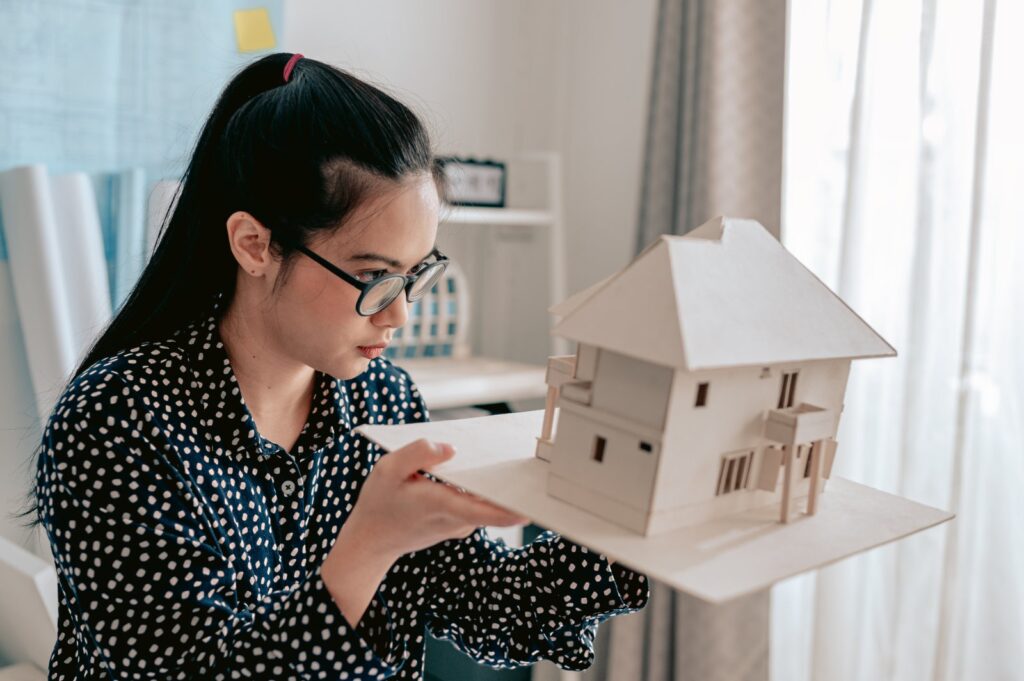
A well-managed property is more than just buildings and facilities. It’s about creating a welcoming environment where residents feel comfortable and supported.
Clear community guidelines help maintain a peaceful and organized neighborhood. When expectations are communicated clearly, residents can better understand how to contribute to a positive living space.
Regular updates and announcements also help keep everyone informed about property improvements, upcoming maintenance, or community activities.
By focusing on communication, organization, and consistent service, property management teams can help build stronger and more connected communities.